How Baton Rouge HVAC Companies Should Track KPIs
May 20, 2026 | 911 Bookkeepers LLC | Financial First Responders for Louisiana HVAC Companies
How Baton Rouge HVAC Companies Should Track KPIs
Is How Baton Rouge HVAC Companies Should Track KPIs creating work in Baker without giving you clear numbers on margin, cash, and labor?
In Baker, How Baton Rouge HVAC Companies Should Track KPIs often gets managed by instinct instead of numbers. When that happens, owners miss where labor, materials, and callbacks are quietly eating the job.
This is one of those problems that tends to stay invisible until it's expensive. The businesses that get ahead of it are usually the ones that built a reporting habit early, before a cash problem or margin slide forced their hand. The ones that wait until something goes wrong often spend the next six months fixing what two months of clean data could have prevented.
Most HVAC Owners Are Flying Blind on KPIs
Walk into most HVAC shops in Baton Rouge and ask the owner what their gross margin was last month. You'll get a number, but it's usually a gut estimate. Ask how that margin breaks down by service type, technician, or neighborhood and the conversation gets quiet fast.
That's not a knock on the people running these companies. Running a trades business is genuinely hard. You're dispatching crews, handling callbacks, sourcing parts, and dealing with customers all at once. Financial visibility tends to get pushed to Sunday nights, and by then the numbers you're looking at are already 30 days old.
Key performance indicators are just the financial vital signs of your business. They tell you whether the patient is stable or headed toward a cash crisis. The problem is that most HVAC owners either track too few of them or track the wrong ones entirely. Revenue is not a KPI. Revenue with no margin context is just a number that feels good until payroll hits.

The KPIs that actually matter for an HVAC company in this market are gross margin by service type, revenue per technician per day, callback rate, average ticket size by job category, and days sales outstanding in receivables. Each one tells you something different. Together, they give you a complete picture of whether the business is healthy or quietly bleeding.
What Makes Baton Rouge HVAC Finances Different From the Rest of the Country
Running an HVAC company in Louisiana carries financial dynamics that don't show up in national industry guides. The cooling season is longer and more intense than most markets. Humidity creates maintenance needs that other climates don't generate at the same frequency. And weather events, from tropical storms to flooding, can reshape your revenue calendar with very little warning.
Louisiana also has a specific regulatory and insurance environment that adds cost to operating here. Workers' comp rates for HVAC technicians are meaningful. Liability coverage for flood-related work can get complicated fast. And if you're doing any commercial work, the documentation and compliance requirements add layers on top of what a purely residential operation faces.

None of that is a reason not to be in this market. Baton Rouge has strong residential growth, an aging housing stock that drives replacement demand, and commercial development that creates opportunity for contractors ready to handle it. But it does mean your financial model needs to account for local cost structure, not just national averages. A bookkeeper who doesn't understand the trades and doesn't know Louisiana isn't going to help you build a financial system that fits your business.
Breaking Down the Numbers: What Your P&L Is Actually Trying to Tell You
Example for Baker: if an HVAC shop at $1,887,000 in revenue misprices work related to How Baton Rouge HVAC Companies Should Track KPIs, even a 3-point margin miss can cost more than $72,350 over a year.
Numbers like that tend to land differently when you can see them tied to a specific scenario rather than just an abstract percentage. A 3-point margin miss on a $1.5 million operation is $45,000 a year. That's a truck payment. That's a tech's annual compensation. That's the cash reserve you don't have when a slow October hits. Margin erosion doesn't feel urgent when it's happening, but it compounds quietly and consistently.
The right financial reporting structure shows you margin by category, not just in total. When you can see that your service call margin has been running steady while your install margin has been slipping, you have an actionable data point. You can look at your last 20 installs, figure out where the cost overruns are showing up, and adjust your estimate sheets before you price the next 20. That's the difference between a dashboard and a drawer full of bank statements.
What Good Financial Management Actually Looks Like for an HVAC Operator
What good looks like in Baker is knowing exactly how How Baton Rouge HVAC Companies Should Track KPIs affects revenue, labor, materials, and cash before small issues turn into end-of-month surprises.
Good doesn't mean perfect. It doesn't mean you're hitting every number every month or that you never have a cash squeeze. Good means you have a system that shows you what's happening in time to respond to it. Good means that when revenue dips in October, you already have a number in mind for what it needs to come back to, and a plan for how to get there.
For most HVAC companies in the Baton Rouge market, a functional financial management system has a few key components. First, books that are reconciled monthly, not quarterly or whenever there's time. Second, a profit and loss report that breaks out direct costs by category, not just total cost of goods sold. Third, a cash flow view that shows what's in the bank, what's outstanding in receivables, and what's coming due in the next 30 days. Fourth, some form of job costing that lets you compare estimated versus actual on your bigger installs at minimum.
That's not a complicated system. It's not expensive to build. But most HVAC owners either don't have it or have a version of it that isn't structured well enough to inform decisions. Getting there is usually a two to three month process of cleaning up the chart of accounts, building the right reports, and establishing the review rhythm. After that, it runs itself.
Your Next Move

Pull a report for Baker that focuses on How Baton Rouge HVAC Companies Should Track KPIs, then mark which jobs were underpriced, which ran long, and which actually met your target gross margin.
If you don't have job-level data pulled yet, start with the P&L. Look at the last three months and identify which expense lines moved relative to revenue. If revenue was flat and labor cost went up, that's your first signal. If materials cost jumped without a corresponding revenue increase, that's usually either pricing that didn't keep up with supplier increases, or waste that's not being tracked at the job level.
The point of this exercise isn't to produce a perfect analysis. It's to start building the habit of looking at the right numbers on a regular cadence. Most owners who get into financial trouble didn't fail to do the work. They failed to look at the financials early enough and often enough to catch problems while they were still manageable. The business was telling them something. The reports just weren't set up to deliver the message clearly.
How 911 Bookkeepers Approaches This for HVAC Clients
The 911 Bookkeepers model was built specifically for trades businesses because generic bookkeeping doesn't work for HVAC operators. The chart of accounts that makes sense for a retail shop or a law firm doesn't give an HVAC owner the visibility they need to manage their business. You need a structure built around job costing, service line profitability, truck-level performance, and seasonal cash flow.
Every client engagement starts with getting the books structured correctly in Xero. That means a chart of accounts designed for HVAC, not adapted from a generic template. It means setting up the cost categories so that when you pull a P&L, the numbers are actually telling you something useful. From there, the monthly reporting layer goes on top, built in Looker Studio or Google Sheets depending on what the client needs.
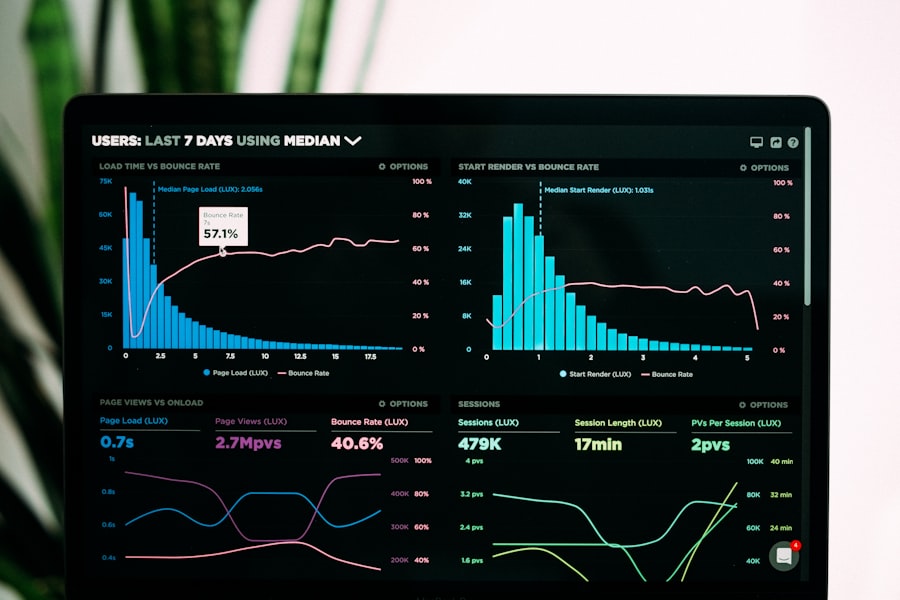
The goal is always the same: give the owner a financial dashboard they can review in 20 minutes and actually understand. Not a stack of reports that requires an accounting degree to interpret. Not a quarterly call to find out how last quarter went. A live view of where the business stands, built around the specific metrics that matter for an HVAC company operating in south Louisiana.
Jeremy Brewer, who runs 911 Bookkeepers, came up in the trades. He worked HVAC before he worked in EMS, and worked EMS before he built this firm. That background shapes how the work gets done. The questions are different when your bookkeeper has actually been on a job site. The financial systems are built differently when the person building them understands what dispatch pressure and seasonal demand actually feel like from the inside.
Questions HVAC Owners Often Ask
Why does this matter more in Louisiana than other markets?
Louisiana HVAC demand is compressed into a short, intense cooling season. When 60% to 70% of your annual revenue hits between May and September, even small margin gaps compound quickly. You don't have a slow month to absorb mistakes here. The financial discipline that's optional in a temperate climate becomes load-bearing in this one.
What bookkeeping platform should an HVAC company be using?
911 Bookkeepers works exclusively in Xero for trades clients. It handles job costing and cost categorization better than most alternatives and connects cleanly to the dashboard reporting layer built in Looker Studio or Google Sheets. The goal is always a live financial view the owner can check in 20 minutes, not a quarterly report that arrives after the damage is done.
How often should an HVAC owner be reviewing their financials?
Monthly at a minimum, weekly if your crew is busy. The point is to catch a margin problem in week two, not after payroll has been written three times and you're trying to figure out where the cash went. A good dashboard makes weekly reviews take less than 15 minutes once it's set up properly.
Is 911 Bookkeepers set up for smaller HVAC operations?
Most clients run between two and fifteen trucks. The financial pressure on a four-truck owner-operator is actually more acute than on a larger company because there's less margin for error and no internal finance function to catch problems early. Smaller operations need clean books and clear reporting more than any other size business, not less.
What's the first thing 911 Bookkeepers does with a new HVAC client?
The first step is always getting the chart of accounts right. Most HVAC companies that come in using generic bookkeeping templates have a cost structure that doesn't let them see what they actually need to see. Fixing that foundation is what makes every report that follows actually useful. From there, the monthly reporting rhythm and dashboard layer get built on top of something that actually works.
Schedule a Baton Rouge area HVAC financial review with 911 Bookkeepers and we’ll show you how to track How Baton Rouge HVAC Companies Should Track KPIs the right way.
Book a Free Review911 Bookkeepers LLC — Built for the Trades. Serving HVAC contractors and trades businesses across Baton Rouge, Ascension Parish, Livingston Parish, and surrounding Louisiana communities. Powered by Xero.


Comments
Post a Comment